The first thing every visitor to the Philippines encounters is Manila traffic.
It is legendary, and the legends are not exaggerated. A distance that looks like twenty minutes on a map can take two hours on a Friday afternoon. The city sprawls across Metro Manila’s sixteen cities and one municipality, home to roughly 14 million people navigating an infrastructure designed for a fraction of that. Jeepneys — the repurposed American military vehicles that serve as public transport — weave through lanes alongside motorcycles, trucks, and buses in a choreography that appears chaotic but has its own logic.
This is the part of the journey you need to plan for. Once you’re out of Manila, the road to Anilao is straightforward. The destination is worth every minute of the drive.
From the Airport
International visitors arrive through:
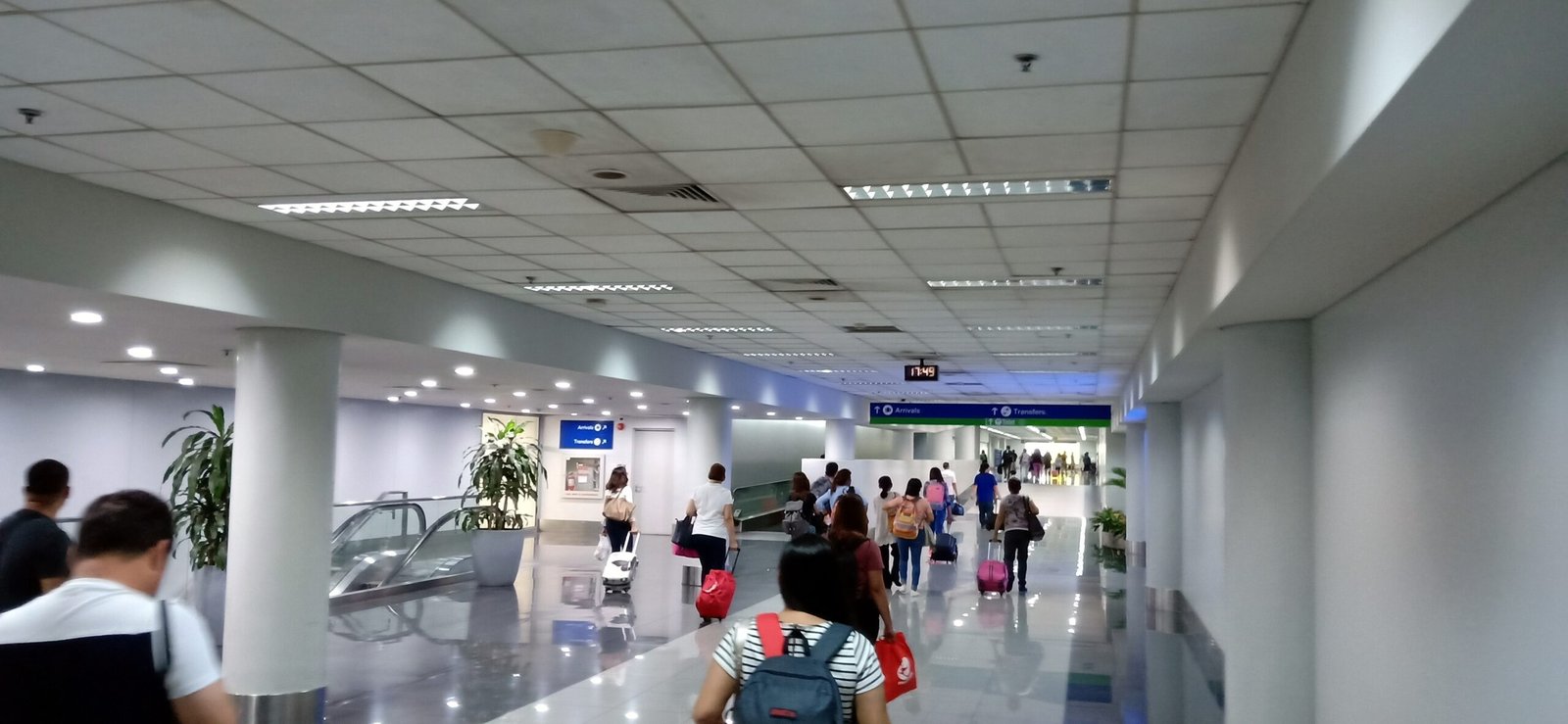
Ninoy Aquino International Airport (NAIA) — Manila’s primary international airport, located in Pasay City. Four terminals. Terminal 3 is the newest and handles most international carriers. Terminals 1, 2, and 4 handle a mix of domestic and international flights. The airport sits on the southern edge of Metro Manila, which is geographically convenient — Anilao is south.
The Drive South
The route from NAIA to Anilao is approximately 130 kilometres. Under ideal conditions — early morning, no traffic, clear roads — the drive takes about two hours. Under typical conditions, plan for two and a half to three hours. On a Friday evening or before a holiday, allow four.
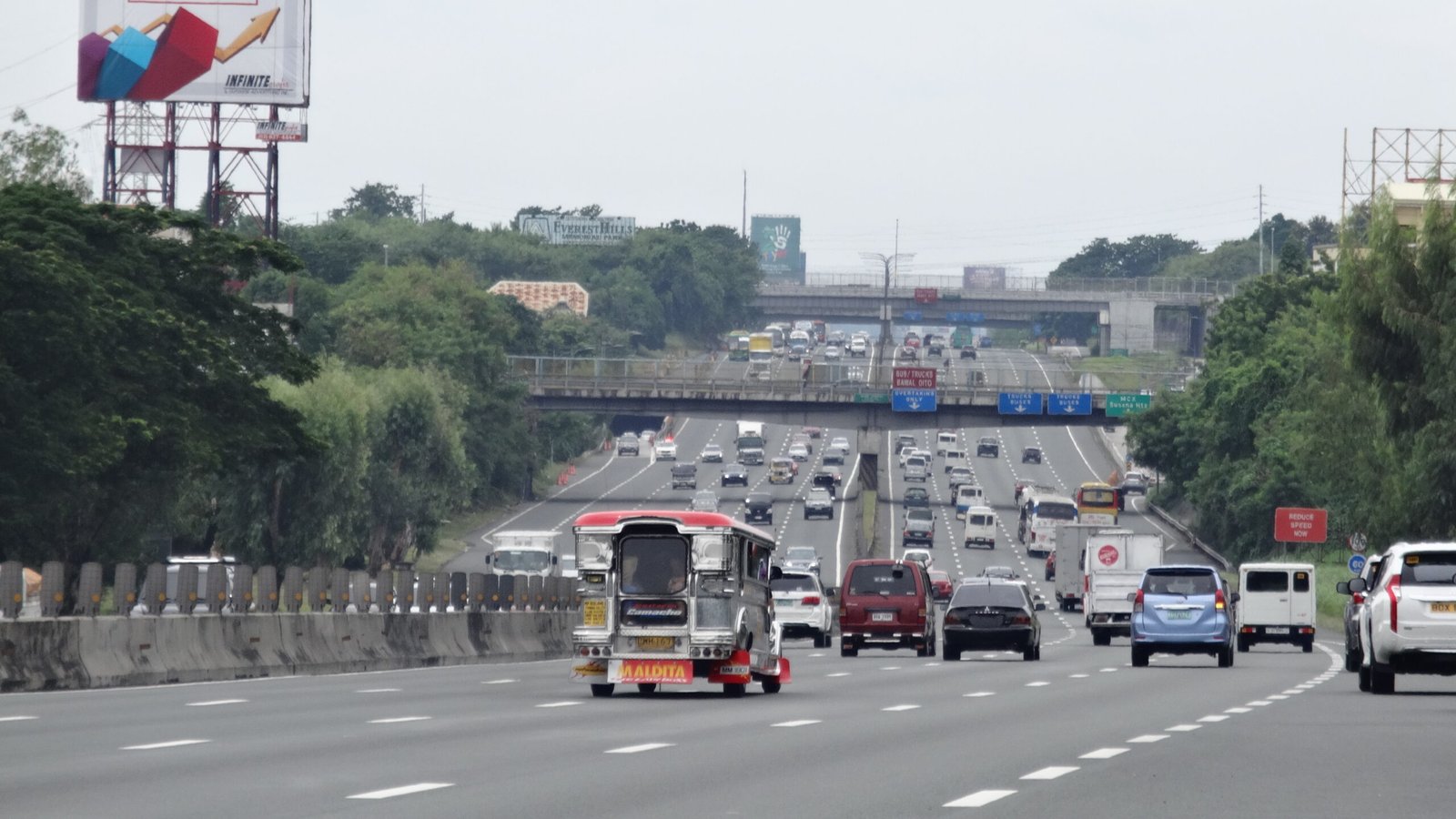
The route:
1. NAIA to SLEX (South Luzon Expressway) — the first segment through southern Metro Manila. This is where traffic is heaviest. The Skyway system (elevated expressway) provides an alternative that bypasses surface-level congestion — it costs more in tolls but saves significant time. If your driver offers the Skyway option, take it.
2. SLEX to STAR Tollway — the Southern Tagalog Arterial Road, branching off SLEX toward Batangas. This is a well-maintained expressway with moderate traffic. You’ll pass Lipa City, the last major urban area before the coast.
3. STAR Tollway exit to Anilao — the final segment on provincial roads. After exiting the tollway, look for the Bauan–Batangas Bypass Road — a relatively new route that skips the congestion through San Pascual and can save significant time. If your driver doesn’t know it, it’s worth mentioning. From there, the road narrows as you descend toward the coast. The last stretch along the Calumpan Peninsula winds through the barangays of Mabini, past dive resorts and fishing villages, with glimpses of the sea between the trees.
Transfer Options
Resort Transfer
Most dive resorts in Anilao arrange private transfers from Manila airports. This is the simplest option. A driver meets you at arrivals, handles the navigation, and delivers you to your resort. The vehicle is air-conditioned, the driver knows the route and the traffic patterns, and you can sleep or watch the landscape change from city to province to coast.

Book this in advance — particularly if you’re arriving late at night or on a holiday weekend. Check with your resort for pricing and availability.
Bus
The budget option. Buses from Manila to Batangas City run frequently from several terminals. DLTB, JAM Transit, and Batangas Star operate air-conditioned coaches from Buendia (Pasay) and Cubao (Quezon City) to Batangas Grand Terminal. The journey takes three to four hours and costs between 150 and 300 pesos. Grab (the local ride-hailing app) is a reliable way to get from the airport to the bus terminal — it handles payment and routing, so there’s no negotiating with taxi drivers.
From Batangas Grand Terminal, take a jeepney to Mabini Plaza — approximately 30 to 45 minutes. From there, a tricycle will take you the rest of the way to Blue Ribbon Dive Resort (or wherever you’re staying along the Anilao coast). This adds complexity and requires some comfort with local transport, but it’s entirely doable and is the route most Filipino visitors take.
When to Arrive
Morning arrivals are ideal. The drive is shorter when you’re moving against rush-hour traffic (which flows into Manila in the morning, not out of it). Arriving before noon means you can be in Anilao by early afternoon, settled in your room by mid-afternoon, and watching the sunset from the resort.
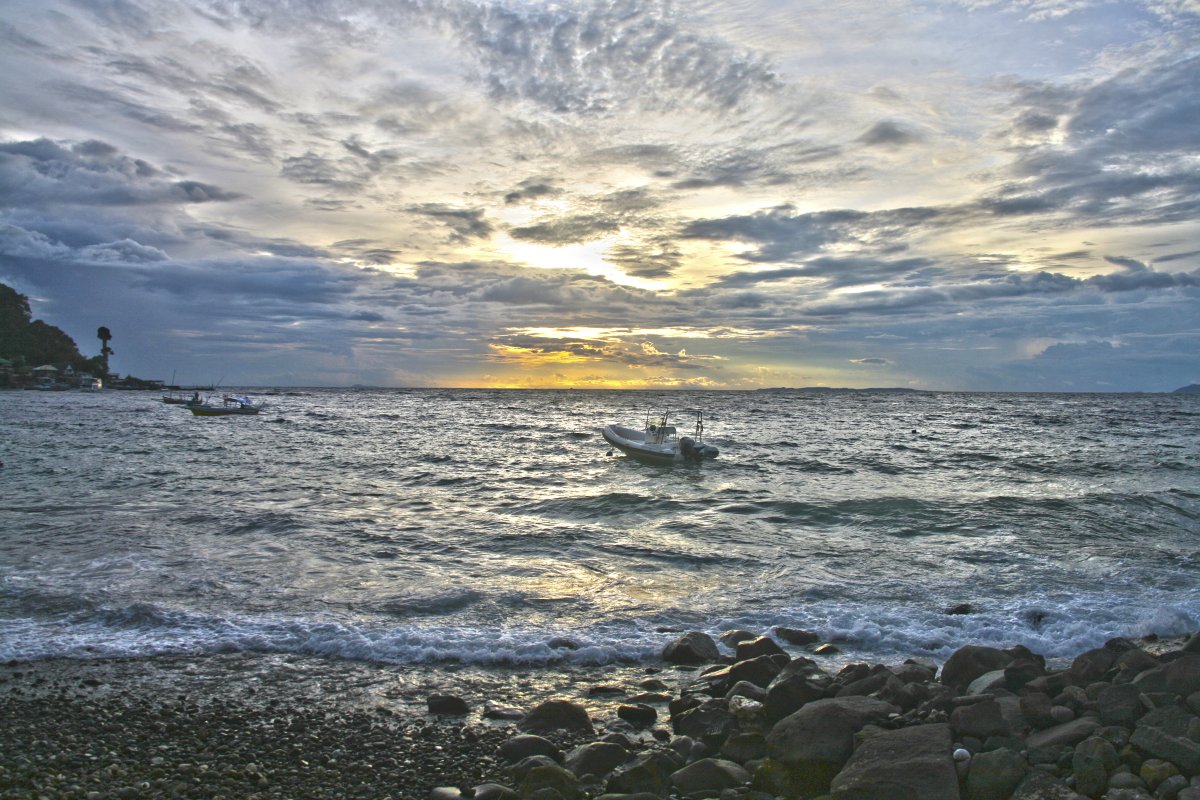
Evening arrivals are fine but plan for a longer drive. Manila’s evening traffic peaks between 5 and 8 PM. If your flight lands after 6 PM, you’ll hit the worst of it. The Skyway bypass helps, but budget extra time.
Late-night arrivals have the advantage of empty roads. A midnight landing at NAIA can mean a drive to Anilao in under two hours — the fastest possible transit. The downside is arriving at the resort in the small hours, but the rooms are ready and the staff are accustomed to late check-ins.
What to Know Before You Go
Currency: Philippine peso (PHP/₱). Do not exchange money at airport currency counters before arrival — guests have received old, non-legal-tender notes or been hit with terrible exchange rates. Instead, use ATMs at the airport or in Batangas City, which give fair rates directly from your bank. ATMs are scarce in Anilao itself, so withdraw enough cash for the first day or two before leaving the city. Most resorts accept card payments, but smaller establishments in the area are cash-only.
Connectivity: Mobile data (Globe, Smart) works throughout the route. The resort has WiFi. If you need local data, SIM cards are available at the airport for around 300 to 500 pesos with a generous data allowance.
Power: 220V, Type A/B plugs (flat two-pin, same as the US). If you’re coming from the UK, Europe, or Australia, bring an adapter. Charging underwater photography equipment requires reliable power — the resort has it.
Climate: Anilao is tropical. Expect heat (28-34 degrees), humidity, and — in the wet season (June to October) — rain. Lightweight, breathable clothing. Reef-safe sunscreen. A rashguard for sun protection during surface intervals. And if you’re diving in January or February, a warmer wetsuit than you think — the water dips to 22 to 25 degrees, colder than the brochure suggests.
Language: Filipino (Tagalog) and English are both official languages. English is widely spoken, particularly in tourism. You will have no communication difficulties at the resort or along the major transport routes. That said, learning a few Tagalog words — salamat (thank you), magandang umaga (good morning), masarap (delicious) — goes a long way. Filipinos notice and appreciate the effort.
The Arrival
The drive from Manila to Anilao is a journey from one world to another. The skyline gives way to expressway. The expressway gives way to provincial road. The road narrows, curves, and suddenly the sea is there — blue, flat, stretching south toward Mindoro and the Verde Island Passage.
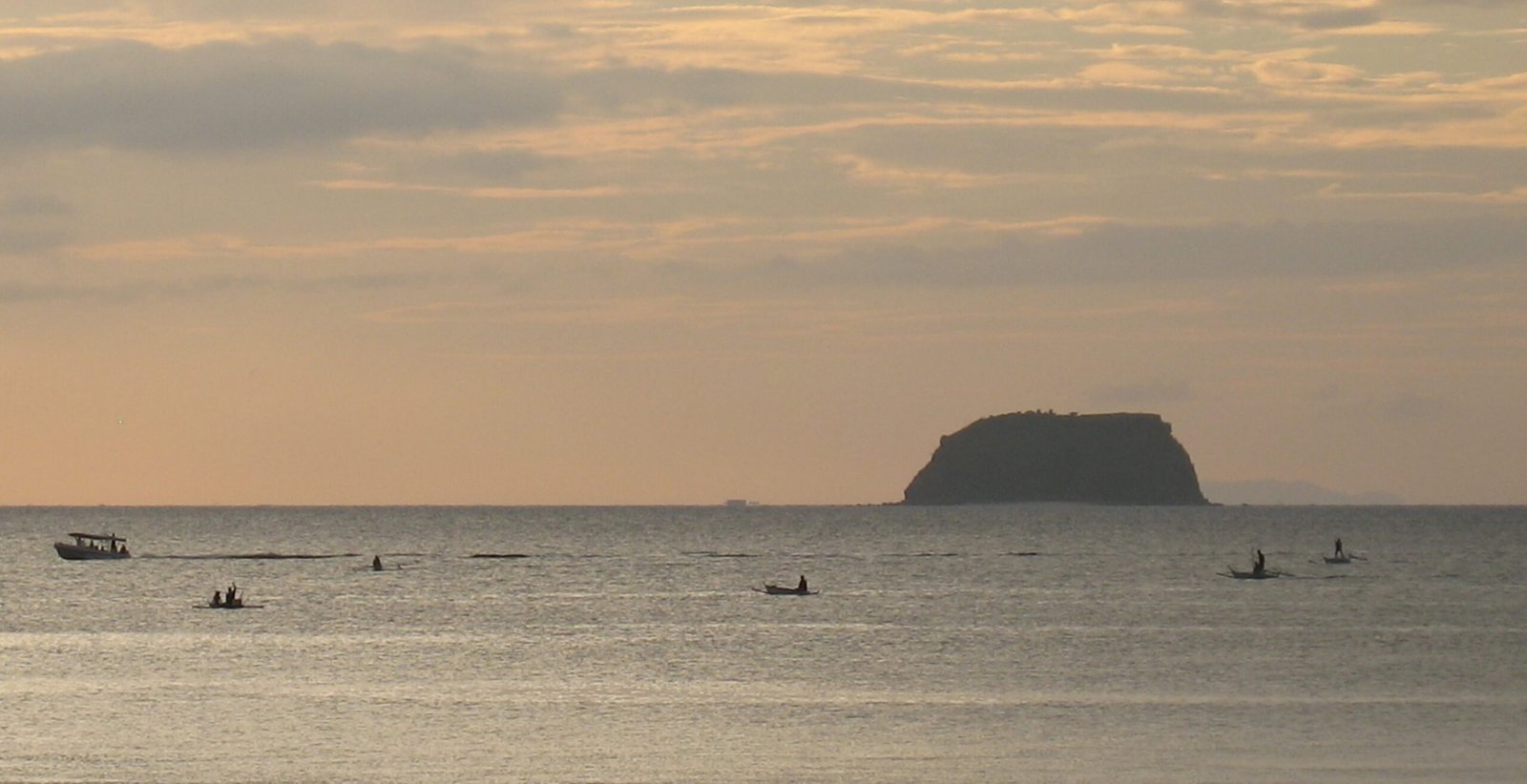
The resorts and dive centres of Anilao line the western shore of the Calumpan Peninsula, looking out across Balayan Bay. On clear days, you can see the rim of the Taal caldera to the north and the islands of the passage to the south. The reef starts a few minutes from shore.
Three hours from one of Asia’s largest cities. No flights required. No boats to distant islands. Just a drive south, a road that gets quieter as it goes, and an ocean waiting at the end.
Blue Ribbon Dive Resort is an SDI/TDI dive centre in Anilao, Mabini, Batangas — approximately 130 kilometres south of Manila.