Fifteen Years
Let me start by saying this isn’t a hit piece.
I was a PADI resort owner for fifteen years. I shared audiobook recommendations with one of the old General Managers. I had social evenings with the current Regional Manager. We’re still on friendly terms — we chat when we see each other. The people inside PADI are, by and large, good people who care about diving.
This isn’t about them. This is about what PADI has become.
Blue Ribbon Divers started in Puerto Galera in 2010 and moved to Anilao, Batangas — the birthplace of Philippine diving — in 2018. We built our reputation on quality instruction, small groups, and treating every diver like a person, not a certification number. For fifteen of those years, we did that under the PADI flag.
We stuck with them for one reason: brand recognition. When a tourist in Manila types “learn to dive,” PADI is the name they know. That recognition had value. But it was never about the quality of their training materials — and their website back end was always poor. We stayed because PADI was the brand. That’s it.
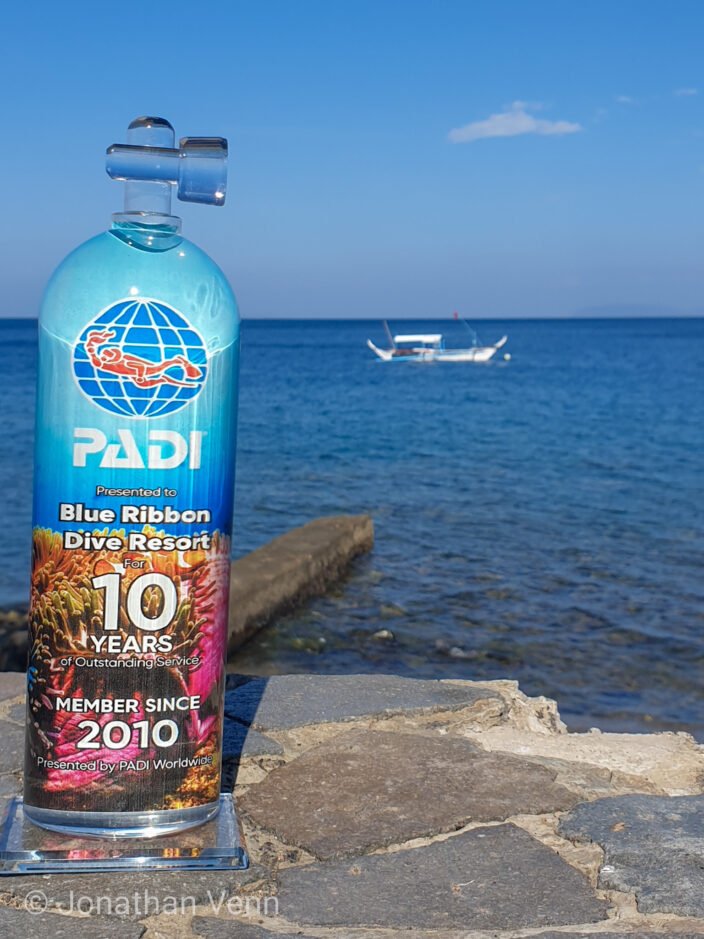
In 2024, we left.
What Changed
The Pandemic Years
The pandemic hit Philippine dive tourism like a sledgehammer. From 2020 to 2023, our income collapsed. Tourists couldn’t travel. Courses stopped. Staff had to be supported through the worst period the dive industry has ever seen.
During those years, PADI provided zero support. None. What they did provide was invoices. Our membership fees were still due. We were paying for the privilege of being affiliated with an agency that was doing nothing for us while we fought to keep the lights on.
We weren’t alone. Dive centres across Southeast Asia had the same experience. The relationship had always been transactional — we pay fees, they provide brand recognition — but the pandemic made the one-sidedness impossible to ignore.
The Flag
Then came the flag.
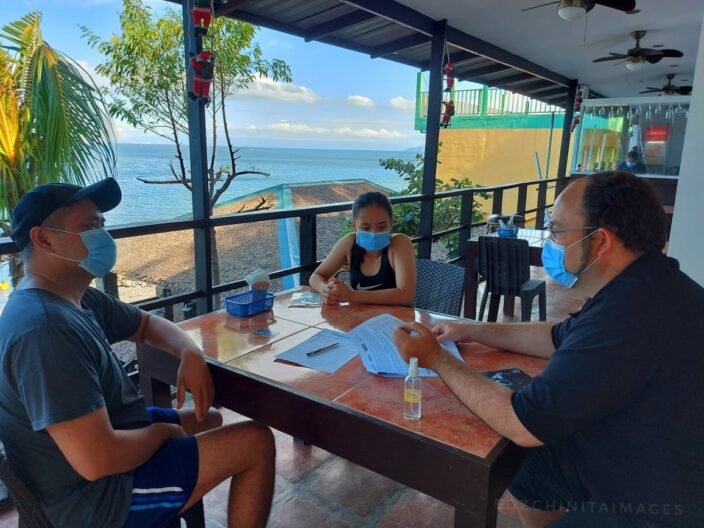
Baz was our dive shop manager from 2011 to 2016 — a PADI Master Scuba Diving Instructor, one step from Course Director. He’d trained thousands of students. After leaving Blue Ribbon, he started his own dive business, Deep Blue Scuba, in Subic. He was as loyal a PADI professional as you could find.
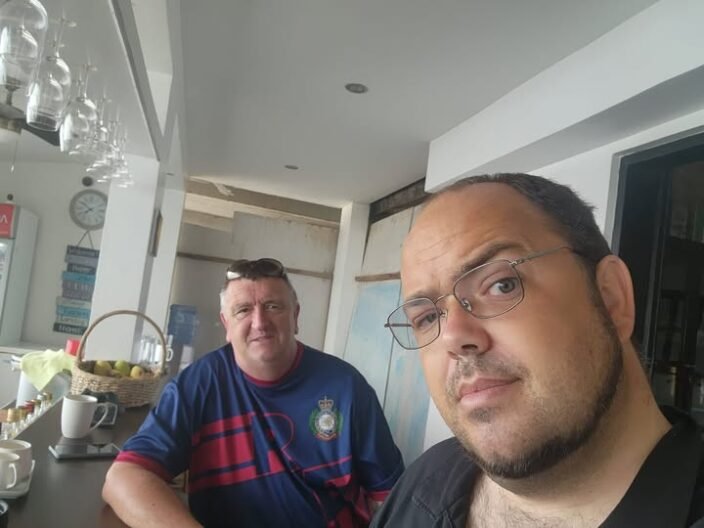
He asked PADI for a flag and some promotional material for his dive centre. A flag. The kind of thing you’d think an agency would happily send to a veteran instructor who’d generated thousands of certifications for them over the years.
He didn’t get a hello. What he got was three legal documents about PADI’s brand usage rights.
Three legal documents. For a flag.
That tells you everything about what the organisation has become. A veteran instructor with thousands of students under his belt, asking for basic support, and the machine responds with lawyers. After the flag incident, I put Baz in touch with Phil Jennings, the SDI/TDI regional manager. Baz has since crossed over to SDI himself — and he still brings divers down to Anilao regularly.

The IDC
A month later, we had an Instructor Development Course scheduled at Blue Ribbon. A new Course Director had been assigned — and they didn’t realise that we needed to be formally designated as an IDC centre to host it. The IDC was cancelled after one day.
Now, we’d been a 5-Star dive resort for fifteen years. A single phone call — “Hey, let’s get your IDC centre status sorted” — would have resolved it in an afternoon. An upgrade, a signature, done.
That phone call didn’t happen. Instead, an IDC was cancelled. Instructors who had travelled to attend were moved to another resort that had the required status. Because the system couldn’t flex. Because nobody at PADI could make a simple decision for a partner they’d had for a decade and a half.
These weren’t dramatic betrayals. They were bureaucratic failures. And that’s almost worse — because it means there’s nobody left inside the machine who can override the machine.
The Other Side
Around the same time, I did my TDI Sidemount Instructor course with Phil Jennings — the Regional Manager of SDI/TDI for the Philippines.
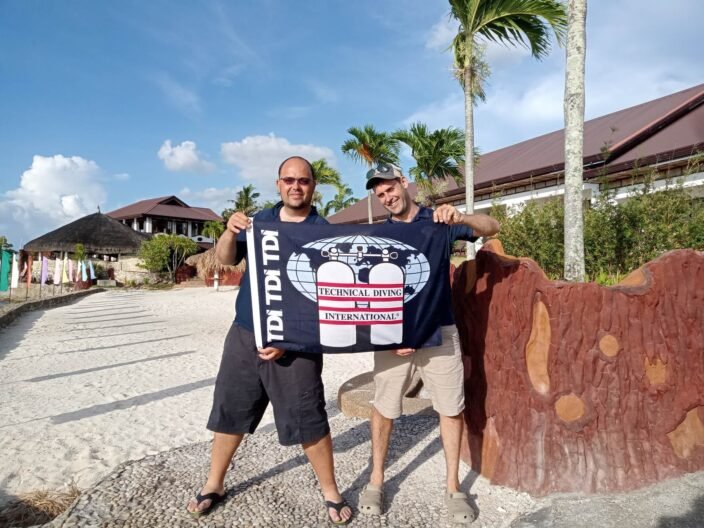
The difference was immediate.
Phil is a diver. The people running SDI/TDI are divers. The owners of the corporation — because yes, it is still a corporation — are active divers. They get in the water. They teach. They understand what it’s like to run a dive centre because they’ve done it.
SDI/TDI was founded by technical divers — people who understood that when you’re at 60 metres on a decompression dive, the quality of your training is the only thing between you and a dive accident — or a trip to the recompression chamber. That mentality — training quality as a matter of life and death, not a line item on a balance sheet — runs through everything they do.
PADI was founded by divers too, back in 1966. But PADI today is not the organisation John Cronin and Ralph Erickson built. It has changed hands multiple times since 1989, passing through a succession of private equity firms. The most recent publicly reported sale, in 2017, valued PADI at $700 million — and the selling firm tripled its investment. In 2025, those buyers exited too — the new owner has not been publicly identified. That’s not a diving organisation. That’s an asset being passed between investment firms.
The Numbers
I’m not going to pretend this was purely philosophical. The numbers matter.
Instructor fees: At the time of our switch, PADI charged instructors approximately $300 per year to maintain their membership. SDI charged around $50 — covering both SDI (recreational) and TDI (technical) certifications. Exact figures may have changed since, but the structural gap remains significant.
Facility registration: PADI charges around $1,000 USD per year for dive centre affiliation. SDI/TDI introduced a minimal facility fee in 2026 — around ₱3,000 (roughly $50) per year — mainly to ensure registered facilities are actively teaching rather than just displaying the badge. The difference speaks for itself.
Certification cards: SDI provides digital certification cards free of charge. PADI has historically charged for eCards, though recent policies may have shifted.
Materials: PADI requires instructors to use proprietary materials purchased through PADI. Students must each purchase their own copy — sharing or loaning required materials is not permitted. SDI takes a different approach: dive centres can maintain a library of materials that students use during their courses, so students don’t need to buy their own copy. E-learning is available as an optional extra — recommended, but not required.
For a dive centre running several instructors and certifying hundreds of students a year, the difference in agency costs is not marginal. It’s structural. Money that used to flow to a private equity holding company in Florida now stays in Anilao.
What We Gained
The Technical Diving Pathway
This is the big one for us.
SDI flows directly into TDI — Technical Diving International, the world’s largest and oldest technical diving certification agency. TDI was co-founded in 1994 by Bret Gilliam and Mitch Skaggs. Gilliam was one of the most prominent figures in technical diving — he claimed a record for the deepest dive on compressed air at 138 metres — a record that has since been surpassed — and logged over 19,000 dives before he passed away in 2023. A controversial figure whose safety record was debated, but the organisation he helped build reflects the technical diving community’s core principle: training quality is not negotiable.
As an SDI/TDI 5-Star Dive Centre, we can now offer the complete pathway: from a first-time Open Water student to advanced technical diving — nitrox, decompression, sidemount, trimix — all under one roof, with one coherent training philosophy.
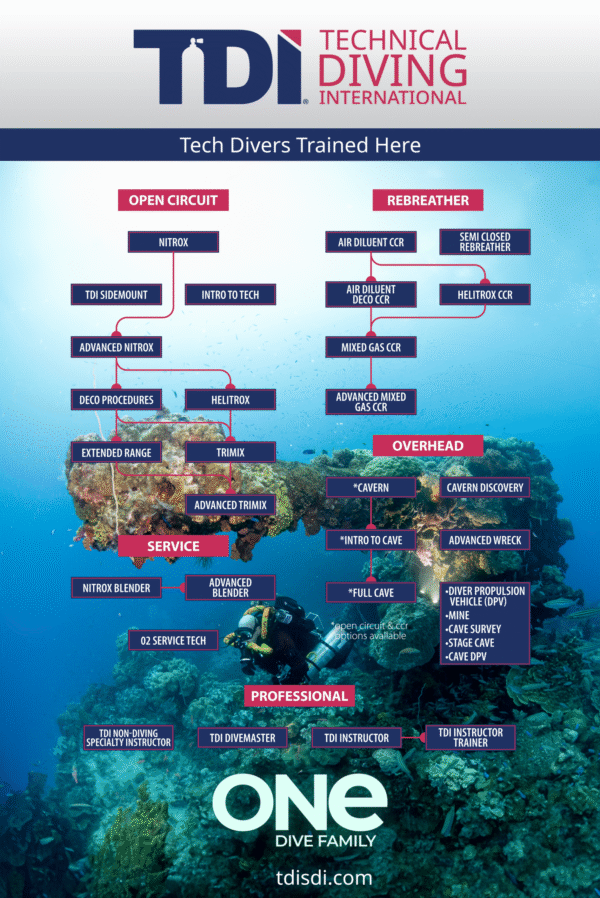
PADI’s technical program, TecRec, was bolted on to a recreational system. TDI built its recreational arm (SDI) on top of technical diving expertise. The difference in approach matters. When your recreational instructors were trained by technical divers, the safety culture runs deeper.
I saw this firsthand. When I was considering my technical diving pathway, the General Manager at the time handed me all the PADI TecRec materials — because he didn’t want me going to TDI. What struck me was how much of the theory was optional. The approach was essentially: rely on two computers and don’t worry too much about understanding how they actually work. That’s not how technical diving should be taught. When you’re managing decompression obligations at depth, you need to understand the algorithm, not just trust the screen.
Instructor Autonomy
PADI’s teaching model is prescriptive: specific skills must be taught in a specific order, in a specific way. The instructor is a delivery mechanism for PADI’s curriculum.
SDI trusts its instructors. The standards define what a student must be able to do by the end of the course — but how you get there is your professional judgment. If a student is struggling with mask clearing, you can move on to something that builds their confidence and come back to it. You’re a professional, not a script reader.
After fifteen years of being told exactly how to teach, this was liberating.
Dive Computers from Day One
SDI requires students to learn with dive computers from the very first course. PADI has since moved away from teaching dive tables on their Open Water course — but SDI was doing this years before PADI caught up.
There’s nothing wrong with understanding the theory behind tables. But we’re training divers for the real world, and in the real world, every diver uses a computer. Teaching tables first and computers later is like teaching someone to navigate with a paper map before letting them use GPS. Useful knowledge, perhaps — but not where you start.
No Loss in Business
This was our biggest fear. PADI’s brand recognition was the reason we stayed so long. Would we lose students?
We didn’t.
We switched over and saw no loss in course sales. We offer the same service we’ve always offered — the same instructors, the same sites, the same standards of care. The only thing that changed was the logo on the certification card and the fees flowing out of our bank account.
It turns out that divers choose Blue Ribbon because of Blue Ribbon, not because of PADI.
The Industry Is Moving
We’re not the only ones.
Independent survey data shows PADI’s US market share dropped from 55% to 43% in a single year. In Western Europe, it fell from 30% to 27%. The Business of Diving Institute’s survey of nearly 900 dive professionals found that PADI instructors were more likely to recommend SDI than their own agency to friends and family.
Read that again. PADI’s own instructors recommend SDI.
In the Asia-Pacific region — our region — the movement away from PADI has been particularly pronounced. Dive centres across Southeast Asia have been quietly switching to SSI, SDI/TDI, and other agencies. The reasons are always the same: fees, flexibility, and the feeling that the agency you’re paying doesn’t actually care whether your business survives.
Why I Became an Instructor Trainer
Here’s the thing I didn’t expect.
I never wanted to be a PADI Course Director. The idea of it felt corporate — another rung on a ladder designed to extract more fees. I couldn’t see myself in that role because the role, as PADI defined it, wasn’t about diving. It was about administration.
With SDI, it was different.
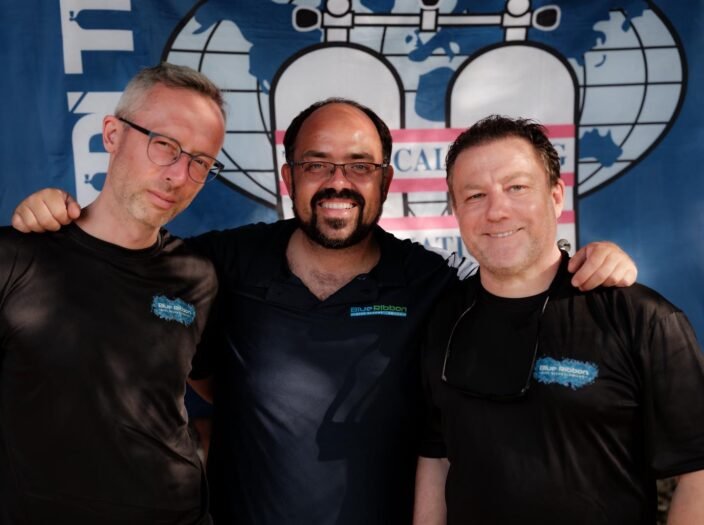
When I did my SDI Instructor Trainer Workshop, it didn’t feel like climbing a corporate ladder. It felt like joining a team — a team of people who genuinely want to make divers safer and better. The conversations were about diving. The focus was on training quality. The culture was collaborative, not hierarchical.
So I became an Instructor Trainer. And I will never look back.
A Note to PADI Divers
If you hold a PADI certification — that’s great. Your card works everywhere. Your training was valid. Nothing about our switch changes how we treat PADI-certified guests. You are welcome at Blue Ribbon, always.
But if you’re a PADI professional — an instructor, a divemaster, someone who’s built a career in the water — and you’ve been feeling what we felt, know that there is another way. The crossover process is straightforward. The fees are lower. The autonomy is real. And the culture is what you probably imagined the dive industry would be when you first decided to teach.
We were afraid to switch. We shouldn’t have been.
Blue Ribbon Divers is an SDI/TDI 5-Star Dive Centre in Anilao, Mabini, Batangas — the birthplace of Philippine diving, in the heart of the Verde Island Passage.
If you’re a dive professional considering a crossover, or just want to talk about what switching looks like in practice, reach out. We’ve been through it, and we’re happy to share what we learned.
